Home / Work
Work
Five jobs that came through the workshop, described as they actually happened — what arrived, what had to be worked out, and what went back.
Every job below is real, and every detail on these pages came from the job itself rather than from a description of what the work is supposed to look like. Between them they cover the four ways work usually arrives: a file that needs changing, a file that just needs printing, a part that needs measuring, and an idea that needs designing from nothing.
The jobs
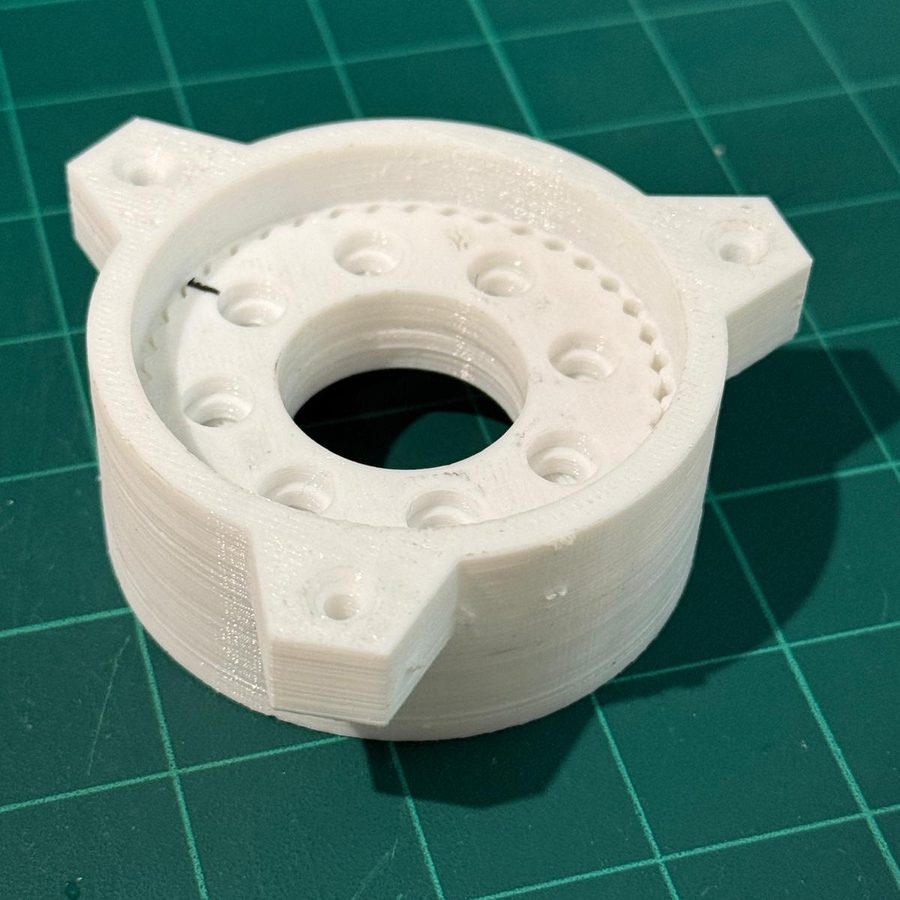
Cycloidal gearbox
A robot arm builder sent an STL and asked for a bigger gearbox. Two full sets printed, with the front flange measured and re-derived by hand.
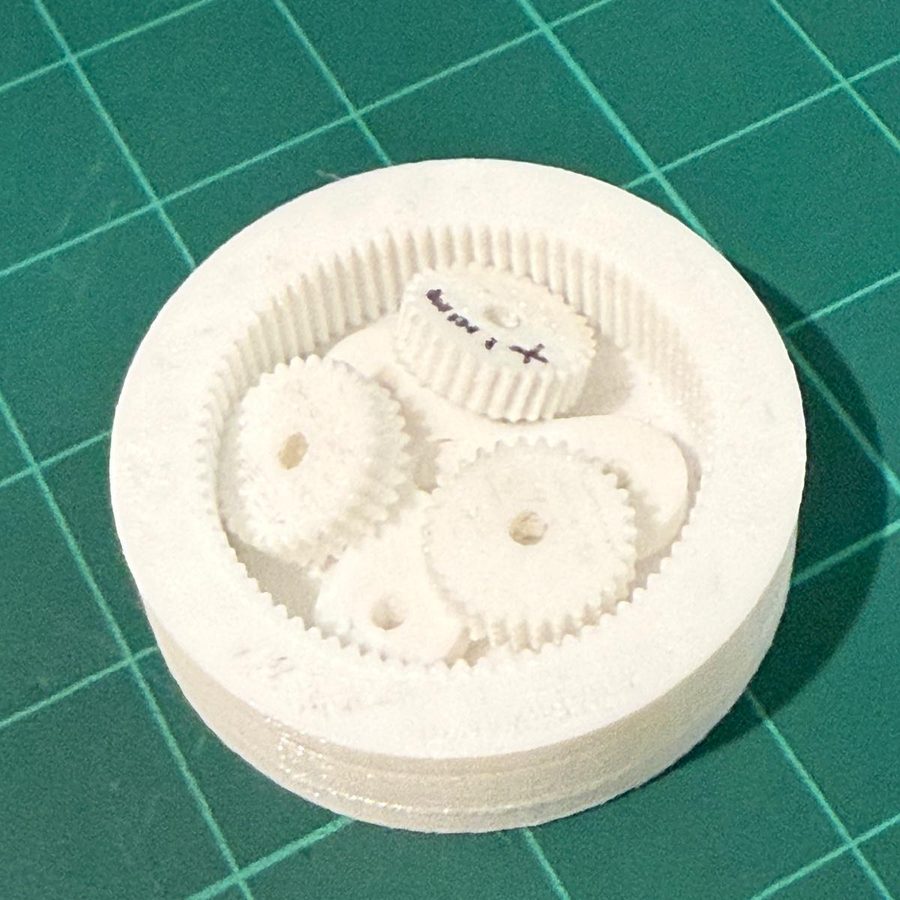
Planetary gear set
A university robotics project sent an STL with no running clearance between the gear teeth. Adjusted, printed at 0.1 mm and tested twice before delivery.
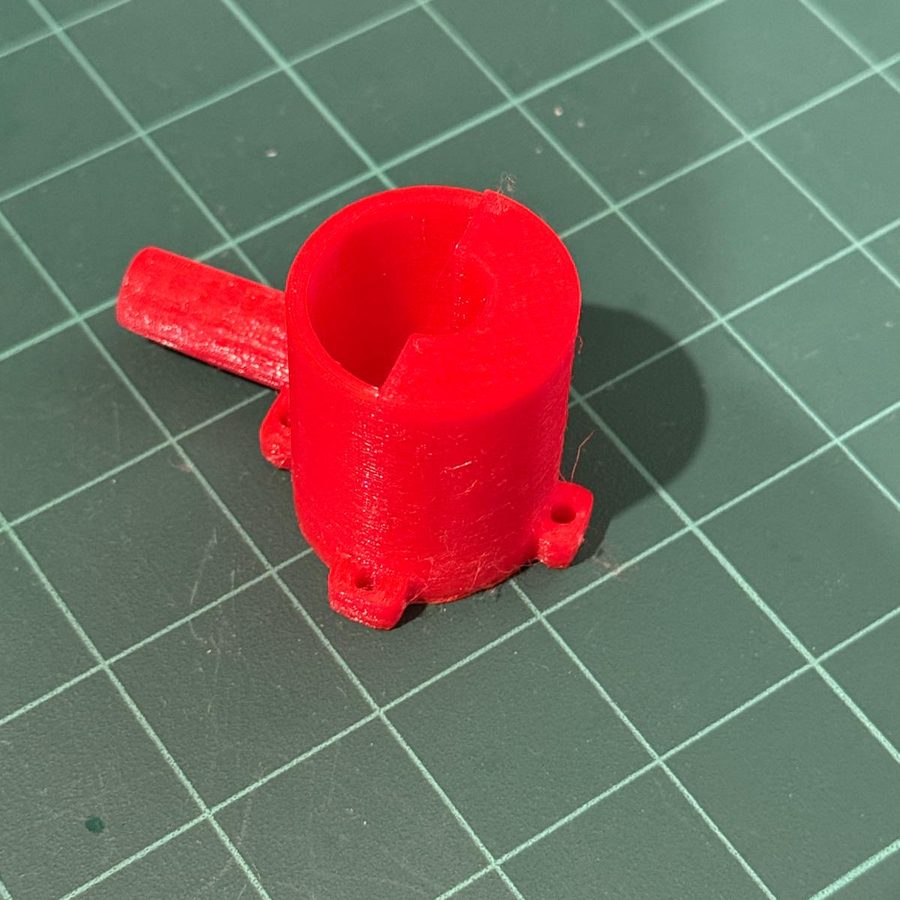
Pump housing
A customer wanted a small centrifugal pump they could print themselves. Modelled from scratch and prototyped, with printability as a design constraint.
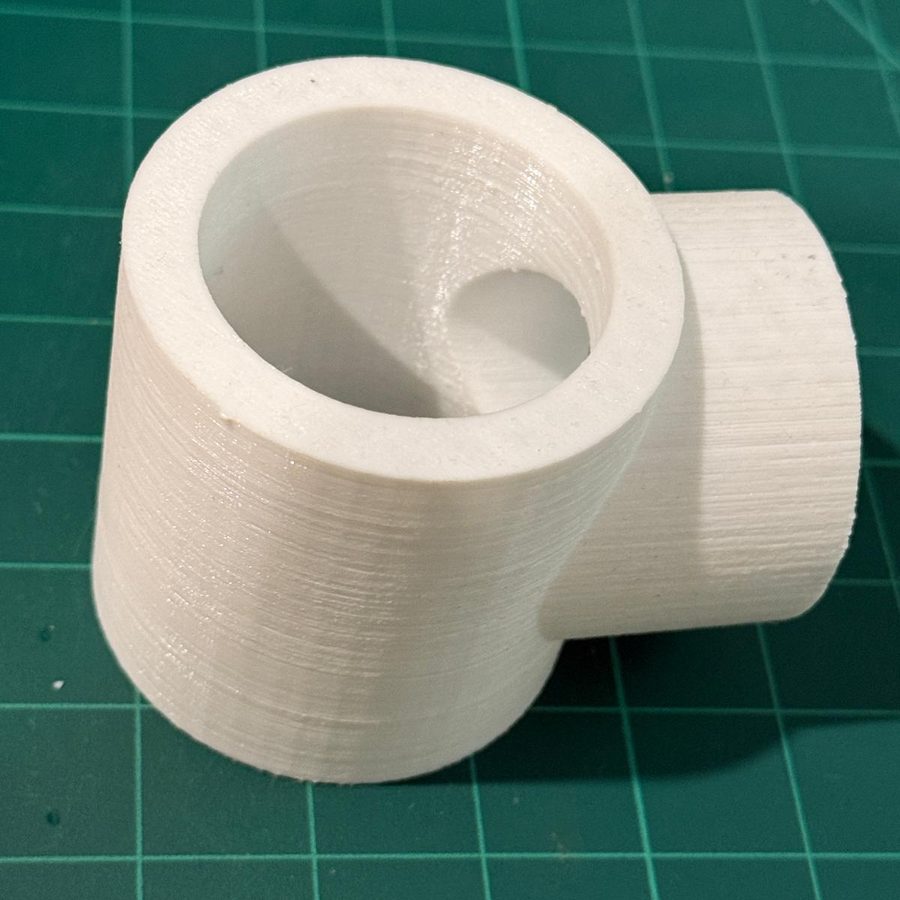
Motor housing
A customer's own design, a long print, and a machine that gave up halfway every time. Printed here in one run and delivered finished.
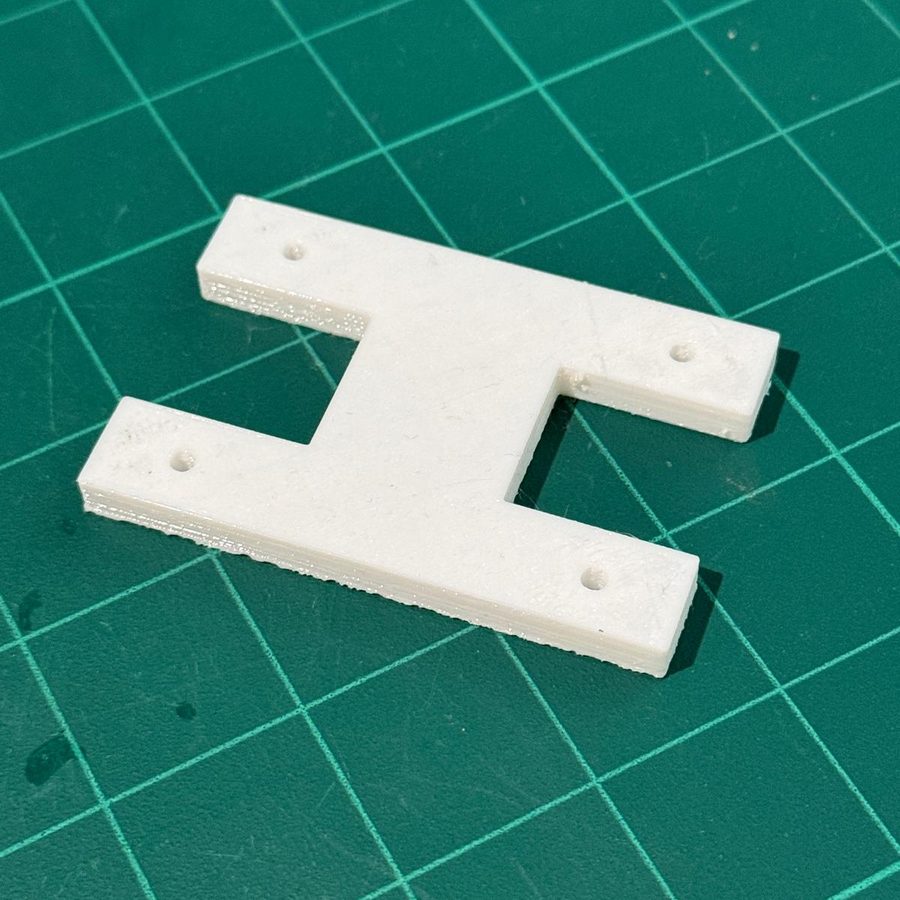
Industrial mount
An ongoing job for an industrial client: a mount refined across many printed prototypes, with more still to come. How iterative prototyping works here.
What these have in common
None of them was a catalogue item. Each one needed something worked out — a file corrected, geometry re-derived, a design produced from a conversation, or a long print simply finished properly. That is the work: parts that do not exist yet, or exist in the wrong size, or exist only as a broken original.
They also show the range of who this suits. An industrial client refining a mount over many rounds, a business needing a one-off, a university project on a deadline, someone developing a product on their own machine. What they share is a part that has to function, not a part that has to be cheap.
If your job looks like one of these
The fastest way to a price is a photo of the part, drawing or assembly, with a rough size and a note on what it has to do. Telling us the machine or assembly it belongs to is genuinely useful — it usually decides the material and the print orientation before anything else is discussed.
Tell us what yours has to do
A photo, a rough size, and the machine or assembly it belongs to is enough for a same-day quote. Minimum order $75.
Email a photo for a quote